From Catch to Cuisine: Mastering Fish Filleting With the Correct Knife
Mastering the practice of fish filleting requires a blend of proficiency and the proper tools. A well-chosen knife can prove decisive in achieving exactness and quality. With a organized workspace and essential techniques at hand, anyone can upgrade their gastronomic creations. Nevertheless, frequent errors can hinder progress. Understanding these details is vital for success. The process from catch to magnificent cuisine commences here, and the subsequent steps will show the formula to perfect fillets.
Finding the Appropriate Knife for Cleaning Fish
Finding the proper knife for filleting fish is crucial to achieving precise cuts. A filleting knife usually has a lengthy, flexible blade that enables easier maneuvering around bones and skin. Most filleting knives range from six to nine inches long; the choice usually depends on the size of the fish being prepared. practical resource The blade's material, such as stainless steel or high-carbon steel, plays a crucial role in durability and sharpness. A balanced handle, often crafted from wood or synthetic materials, ensures comfort during use and reduces hand fatigue. Furthermore, some knives feature a tapered design that enhances control and precision. Choosing a knife with a good grip and a razor-edged blade can significantly improve the filleting process, resulting in perfectly cut fillets. Therefore, spending time selecting the ideal knife is vital for anyone eager to master fish filleting.
Organize Your Space for Fish Processing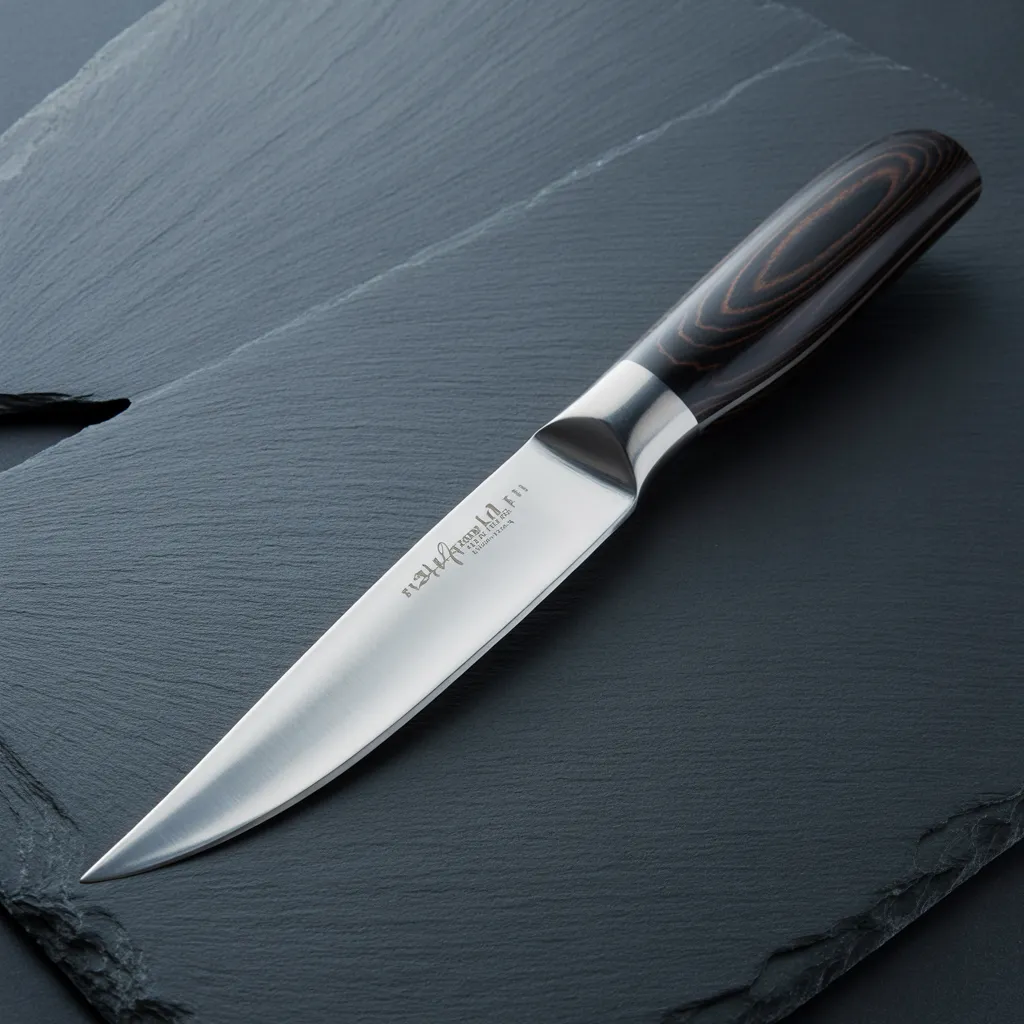
Setting up the workspace for fish filleting is as important as picking the right knife. A clean, organized area assures efficiency and protection during the process. The ideal workspace should be a flat, sturdy surface, optimally a dedicated cutting board that can withstand the use of sharp knives.
It is important to keep all necessary tools within reach, including a filleting knife, cutting board, and a bowl or container for the discarded parts. Proper lighting is also essential; a well-lit workspace allows for enhanced sight of the fish's structure and any delicate filleting tasks.
Additionally, it is advisable to keep a damp cloth nearby for quick clean-ups, minimizing the danger of slips. Finally, confirming that the workspace is free from distractions promotes focus and precision, ultimately leading to better results. A properly set-up environment plays a vital role in mastering the art of fish filleting.
Key Procedures for Filleting Fish: A Detailed Guide
Choosing the appropriate knife matters for making clean cuts in the procedure of deboning fish. Knowing the distinct filleting techniques strengthens speed and accuracy. This guide will explain the essential steps to perfect the art of fish filleting.
Selecting The Right Knife
A quality knife is crucial for effective fish filleting, as it not only improves precision but also guarantees a clean cut. The perfect knife for this task is flexible and sharp, typically featuring a long, narrow blade that allows for intricate cuts along the fish's spine and ribs. A filleting knife, often around 7 to 9 inches in length, provides the right balance between control and reach. Handle materials, such as wood or plastic, should offer a secure grip to prevent slippage during use. Additionally, a well-maintained knife, regularly sharpened, will perform better and reduce the risk of injury. Choosing the right knife ultimately contributes to a smoother, more efficient filleting experience.
Filleting Techniques Clarified
Having the right knife at the ready, the emphasis goes to the methods that will guarantee superior fish filleting. To begin with, anchoring the fish on a pristine, firm surface is essential. The knife should cut along the backbone, initiating just behind the head and progressing towards the tail. A gentle sawing motion helps separate the flesh from the bones without tearing. Thereafter, the fillet must be carefully removed, ensuring all pin bones are discarded. For skinning, the fillet is positioned skin-side down; the knife's blade edge is used to slide between the skin and flesh. At last, trimming any remaining bones or imperfections completes the process, yielding perfectly filleted fish ready for culinary use. Mastery of these techniques enhances both efficiency and results.
Top 5 Mistakes to Sidestep While Filleting Fish
Filleting fish requires precision and technique, but many novice fishers encounter frequent errors that damage the process. A key mistake is using the incorrect knife; a filleting knife is essential for precise cuts. Too much pressure is another frequent fault that can rip the flesh instead of cutting it smoothly. Moreover, forgetting to remove all bones can create an unpleasant eating experience, making thoroughness indispensable. Many fishers also disregard working along the fish’s natural lines, leading to loss of meat. Lastly, failing to maintain a clean workspace can lead to contamination and slow down efficiency. By steering clear of these five mistakes, novice fishers can significantly improve their filleting skills, producing a higher quality product and a more pleasurable cooking experience. Mastering these basics paves the way for a seamless transition from catch to cuisine.
Maintaining Your Filleting Knife: Critical Guidance
Keeping your fillet knife in top condition is important for optimal performance and user safety. Regular blade maintenance, correct cleaning approaches, and proper storage practices ensure the blade stays efficient and durable. Through implementing these vital suggestions, owners can extend the durability of their fillet knife and elevate their fish preparation experience.
Sharpening Techniques Regularly
Consistently keeping the edge of a filleting knife is vital for creating clean cuts and assuring safety during fish preparation. If the blade is dull, it can slip, boosting the risk of injury and damaging the fillet's quality. Various techniques for sharpening include the whetstone, honing rod, or electric sharpener. A whetstone demands skill but offers delicate control, while honing rods are straightforward and suited for fast touch-ups. Electric sharpeners deliver ease but potentially remove more metal than wanted. Irrespective of the method, preserving a uniform angle while sharpening is important. Additionally, testing the sharpness can be done by slicing through a piece of paper; a clean cut indicates a well-sharpened knife, ready for effective filleting.
Effective Cleaning Strategies
Having a clean filleting knife is important for both food safety and optimal performance. The correct cleaning methods ensure the knife stays functional and free from contaminants. Immediately rinse the knife under warm water after each use to remove any fish residue. Employ a non-abrasive sponge or cloth to carefully clean the blade, avoiding harsh materials that could damage its finish. Thorough drying is important to prevent rust and corrosion. Regularly checking the knife for wear or damage during cleaning helps preserve its functionality. By following these cleaning guidelines, you not only extend the knife’s life but also maintain a hygienic setting for food preparation.
Secure Storing Methods
Proper care is vital for a filleting knife’s longevity, and safe storage practices are just as crucial. Correct storage of the knife can prevent damage to both the blade and the user. Using a proper knife sheath or blade guard is suggested to shield the edge and assure safety during handling. Magnetic strips are also useful for quick access and visibility, thereby reducing the risk of accidents. It is best to store the knife in a moisture-free place to prevent rust and corrosion. Furthermore, keeping the knife away from bulky kitchen tools decreases the risk of dulling or chipping the blade. By following these storage methods, one can prolong the filleting knife’s lifespan and ensure safe usage.
Cooking Recommendations and Recipes to Improve Your Filleted Fish
Perfecting essential culinary approaches that boost flavor and texture is essential to advancing fish fillets. One proven technique involves searing in a pan, which develops a crispy exterior while preserving juiciness levels. A heated cooking vessel with a trace of oil allows the Maillard reaction, intensifying the fish's natural flavors.
Furthermore, marinating the fillets in lemon, lime, or herb mixtures for 30 minutes can imbue them with vibrant taste. Baking is another excellent option, especially when paired with a coating of panko and cheese for added texture.
For a revitalizing variation, think about making fish tacos with a zesty slaw and avocado. On the other hand, a simple lemon-butter sauce can enhance any dish, showcasing the delicate flavors of the fish.
Trying out different cooking methods and taste combinations empowers home cooks to prepare memorable meals that showcase their freshly filleted catch.
Complete Step-by-Step Directions for Filleting Multiple Fish Species
Mastering the art of fish filleting is vital to achieving the best culinary results. Each species requires a bespoke approach to ensure optimal yields and quality. For flat-bodied fish, such as flounder, one should start by positioning the fish skin-side down, making a cut behind the head, and then gliding the knife along the backbone. In contrast, filleting round fish, like trout, involves a similar initial cut but requires careful focus to the rib bones. For bigger fish, such as salmon, a lengthy, supple knife is necessary. After making the initial cut, the filleting knife should move along the spine, dividing the flesh from the bones with precision. Following these methods not only maximizes the amount of fillet obtained but also enhances the overall texture and flavor of the fish, rendering it an invaluable skill for any culinary enthusiast.
Often Posed Questions
How Can I Determine the Right Fish for Filleting?
Determining the best fish for filleting involves opting for fresh solid samples. Preferred picks feature salmon, trout, and snapper, celebrated for their workable size and tissue standard, delivering easier handling and remarkable results in the deboning process.
Could I Use a Normal Kitchen Knife for Filleting?
Filleting can be done with a standard cooking knife, yet it may be without the precision and flexibility that a specialized fillet knife offers. A dedicated fillet knife guarantees cleaner cuts and superior outcomes in fish preparation.
What Ought To I Use With Fish Trimmings After Filleting?
After filleting fish, one should consider making compost from scraps, using them for fish stock, or sharing with local wildlife. Disposing of them properly guarantees minimal waste while maximizing the benefits of the entire fish.
What Length of Time Can You Store Boneless Fish?
You can keep filleted fish in the refrigerator for up to two days, and freezing prolongs its shelf life to six months. Proper wrapping minimizes freezer burn, ensuring quality and freshness for future culinary use.
Do Any Safety Tips Apply for Filleting Fish?
When filleting fish, one must always utilize a sharp knife for precision, copyright a clean workspace to minimize contamination, guarantee hands and surfaces are dry, and prioritize safety by maintaining fingers away from the blade's edge.